




The 2026 ENR Top 400 Contractors list just landed. Total contractor revenue hit $671.4 billion, up 11.8% year over year, and propelled by a surge of data center projects. Turner Construction leads again with $28.3 billion in revenue. Mortenson jumped 12 spots to crack the top 10. And for the second year running, data center construction was the single biggest driver of growth across the list.
These numbers tell you who's biggest right now, but they miss something important.
Revenue is only half the picture
ENR ranks contractors by construction revenue. It's a clean, objective measure and it matters. But having spent two years working with GCs across this list, there's something the ranking doesn't capture: how these organizations are evolving operationally in response to the work they're winning.
The story I’m interested in, and the one that will likely dictate the shape of this list in years to come, is how these contractors will adapt their processes as the nature of work changes around them.

How data center construction is changing safety requirements for GCs
US data center construction starts reached $77.7 billion in 2025, a 190% year-over-year increase according to ConstructConnect. The global data center construction market is projected to reach $456 billion by 2030, growing at a compound annual growth rate of 11.8% according to Grand View Research. ConstructConnect is already tracking 76 projects valued at more than $88 billion slated to begin within the next six months alone, already 13% higher than total 2025 starts.
This is a different kind of work. The clients funding these builds, hyperscalers like Google and Meta, Fortune 500 operators, and federal agencies, bring documentation and safety requirements that go beyond what most commercial projects have historically demanded:
- An EMR below 1.0.
- Daily PTPs documented and accessible.
- Site-specific safety plans and JHAs reviewed before mobilization.
- Verifiable orientation records for every worker on site.
- Digital audit trails that can be produced in real time.
Five years ago, prequalification for most projects simply meant an EMR score, insurance certificates, and references. On mission-critical builds today, the expectations are materially higher. A safety lead at a GC told us recently: "We just landed a big data center. They want us to go to digital orientation. We don't have it. We don't have it in English. We don't have it in Spanish."
Based on the conversations we’ve had with GCs over the last two years, I know they’re not the only ones. And it’s not because these firms lack commitment to safety. Most of them have been doing it well for decades. But what "well" now looks like is changing, especially to the clients commissioning these types of builds.
The construction workforce shortage compounds the challenge
.png)
ENR titled this year's editorial "Top 400 Contractors Hit Craft Ceiling as AI Boom Strains Skilled Labor Resources." The headline captures what contractors are feeling on the ground.
The numbers back it up. The Associated Builders and Contractors estimates the industry needs 350k net new workers in 2026, rising to 450k in 2027 as construction spending accelerates. The National Center for Construction Education and Research projects that 41% of the current construction workforce will retire by 2031. Meanwhile, Hispanic workers now comprise approximately 32% of the US construction labor force according to the American Community Survey, making multilingual jobsite communication a practical necessity, not an optional feature.
On a hyperscale data center, hundreds of workers cycle through the project in months. A high proportion are new to the job. Many are Spanish-speaking. For safety teams and field operations, this creates a compounding challenge. The documentation requirements on mission-critical builds are higher than on any other project type, the workforce moving through them is less experienced, and a high proportion of those workers require multilingual support. The speed and consistency of how you onboard, orient, and credential that workforce is not only needed to maintain high levels of compliance, but also to hit tight delivery and productivity targets.
The firms on this list that are winning mission-critical work have recognized that. Their response is what makes the 2026 list worth paying attention to beyond the revenue numbers.
How data centers are pulling organizational maturity upward
This is the pattern we find most interesting amongst contractors on this year's list.
A GC pursues data center work. They win a contract with requirements that demand a level of digital safety infrastructure they haven't needed before: digital orientations, real-time compliance visibility across every trade partner, audit-ready records that sync to Procore or Autodesk automatically. They build those workflows for the project. They hire for it, train for it, commit to it.
Then something happens. The operations team starts using the same system on their commercial projects. Safety leadership sees the visibility they now have on the data center site and asks why they don't have it everywhere. Project teams on healthcare and industrial builds adopt the same workflows because the documentation burden is just as heavy there, even if the client isn't requiring digital proof yet.
Within a quarter, what started as a response to one client's requirements has become a company-wide operating standard.
The best organizations on this list treat mission-critical requirements as an opportunity to raise the standard across their entire portfolio. The data center raises the bar and the contractor comes out the other side operating with a level of consistency and visibility that strengthens every bid, not just mission-critical ones.
That cascade, from one project to the whole business, is a significant operational shift happening inside the ENR Top 400 right now. And it's being driven by the pursuit of new work, not by a mandate from above.
What operational maturity looks like in practice
In conversations with contractors on this year's list, two priorities keep coming up.
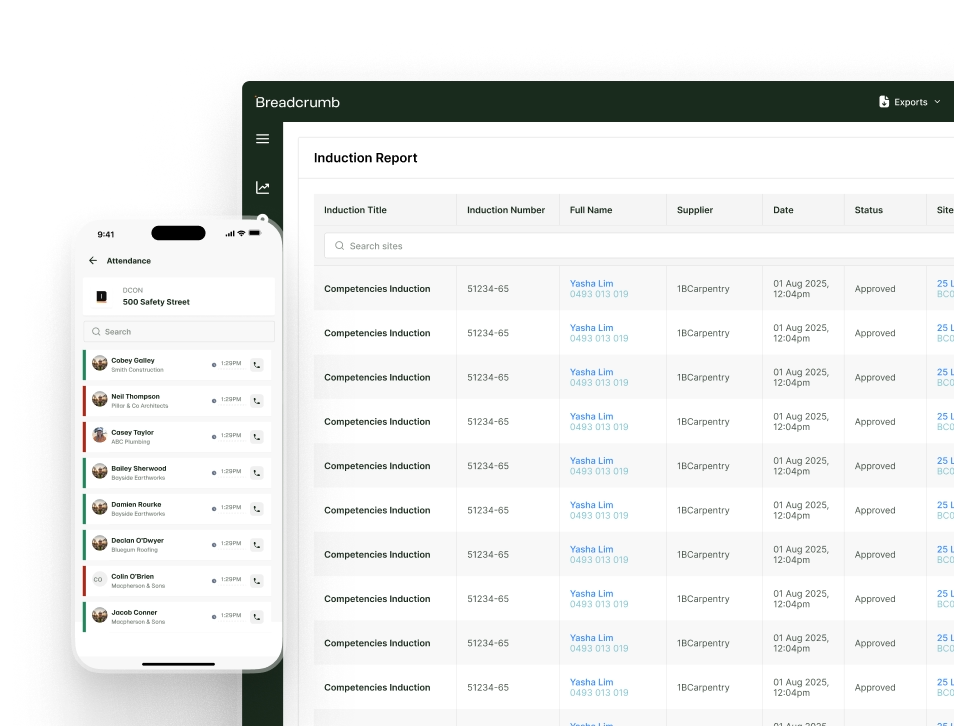
The first is removing friction from the safety system itself. The documentation burden on mission-critical builds has grown significantly, and if it’s still all managed on paper, the system starts working against the safety outcomes it's meant to support. Superintendents spend their mornings collecting headcounts instead of managing the build. Project engineers fill their weeks chasing pre-mobilization paperwork instead of coordinating work. The firms that have addressed this have changed how the work gets done so that safety processes happen at the point of work and are owned by the people closest to it, without creating bottlenecks for the rest of the team.
The second is consistency. Most of these contractors have strong safety programs. The challenge is making sure those programs run the same way on every project, with every trade partner, regardless of which superintendent or safety manager is on site. When you're operating across dozens of active projects in multiple states, the variability between sites is where risk lives. The contractors that cascade their mission-critical workflows across the business are solving this problem. The process holds the standard, rather than relying on individual people to maintain it. Digitizing your safety system is the key to achieving true consistency.
.png)
What this could mean for next year’s ENR Top 400
Data centers will keep driving growth and revenue. The labor shortage will continue to compress timelines. But the firms to watch aren’t necessarily the ones with the highest revenue.
Instead, I’m looking to see which contractors will take advantage of the convergence of mission-critical demands, digital safety expectations, and workforce complexity to fundamentally change how they operate. Not on one project, but across everything.
The ENR Top 400 measures where a firm has been. The operational maturity these contractors are building right now will determine where they go next.
built for the field.
